We use cookies to enhance your journey. Privacy Policy

Machu Picchu, the Sacred Valley, and Lima — one of the world's great food capitals.
Peru contains multitudes — one of the Seven Wonders of the World, South America's most acclaimed food scene, the world's highest navigable lake, Amazon rainforest, Pacific coastline, and a cultural depth that spans 5,000 years of civilisation. It's also one of the most trekking-obsessed destinations on earth: the Inca Trail is the most famous but not the most beautiful. Give Peru at least two weeks — ideally three.


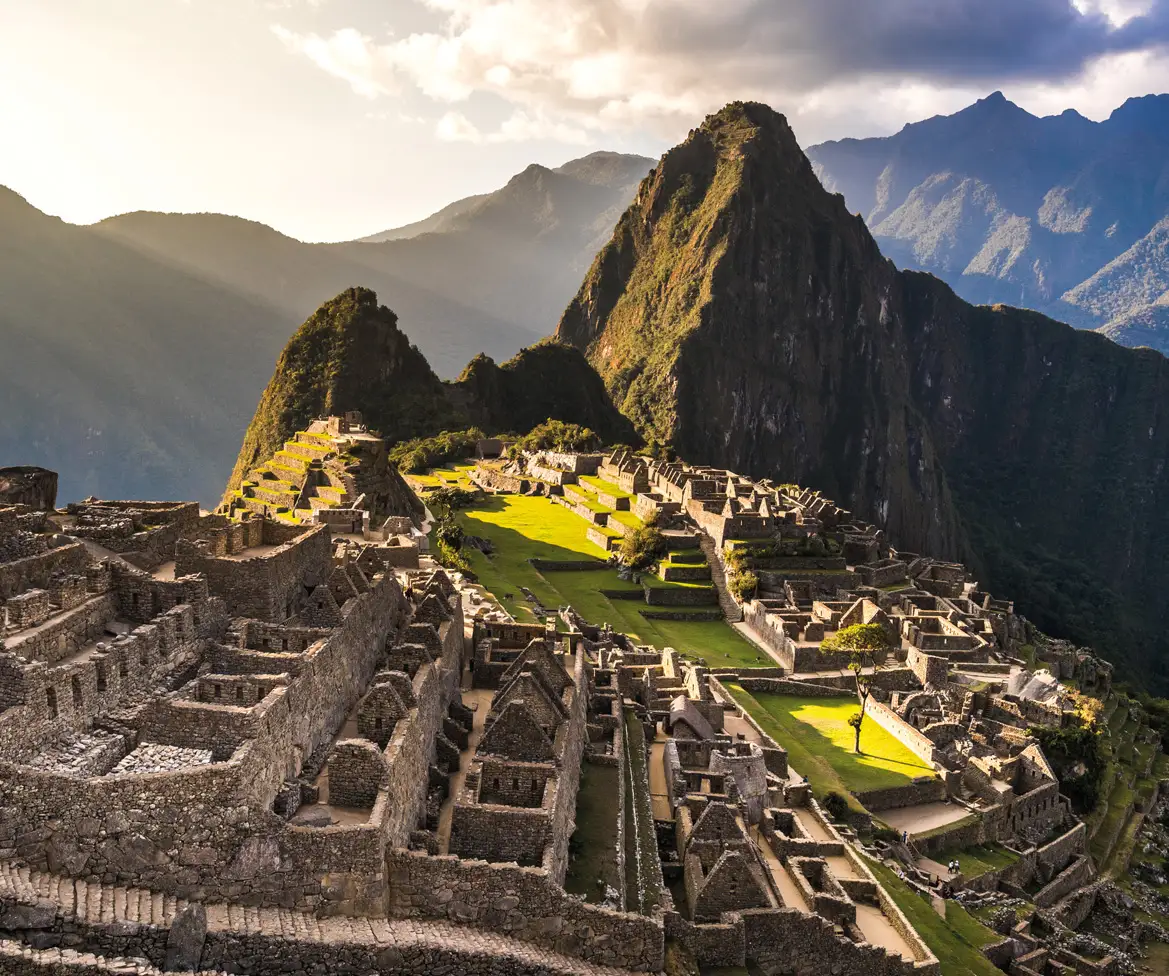
Machu Picchu is one of the world's genuinely unmissable sites — but the Sacred Valley, Ollantaytambo, and the ruins around Cusco tell a complete story of Inca civilisation at its peak.
The Inca Trail is the most famous but Salkantay, Ausangate, and the Choquequirao trek are all world-class. Peru has more outstanding multi-day routes than almost any country on earth.
Lima has become one of the world's great food cities — Central, Maido and Astrid y Gastón consistently rank globally. The ceviche alone justifies the flight.
Six distinct areas — each with a different character, price point and experience.
The clifftop district above the Pacific — safe, walkable, excellent restaurants (Central, Maido, Astrid & Gastón are all here), and the Larcomar mall on the cliff edge. Best area for a Lima food trip. Mid-range to luxury hotels.
Lima's bohemian neighbourhood — the Bridge of Sighs, street art, the best bars in the city and good boutique hotels. A 15-minute taxi from Miraflores. Slightly more adventurous but very safe. The Casa Republica guesthouse is outstanding.
The artisans' quarter above Cusco's Plaza de Armas — steep cobblestone streets, whitewashed walls, and the best small guesthouses in the city. Closer to the market and further from the tourist restaurants. Altitude hits hardest here (3,399m) — plan a rest day.
The valley between Cusco and Machu Picchu — Ollantaytambo, Pisac and Urubamba offer excellent lodges that avoid the Machu Picchu town crush. Slightly lower altitude than Cusco (2,800m) which helps acclimatisation. The Explora Valle Sagrado is extraordinary.
The only base for Machu Picchu itself — a chaotic town at the foot of the mountain. Everything here is overpriced but necessary. Book a room right by the bus station to save 15 minutes each morning. The bus leaves at 5:30am.
The Paracas peninsula 3.5 hours south of Lima — gateway for the Ballestas Islands (sea lions, penguins, condors) and the Huacachina oasis. Desert hotels at varying price points. Much less visited than the main circuit.
The Machu Picchu entry system changed in 2023 — timed entry circuits are now mandatory and sell out weeks ahead on the official website (machupicchu.gob.pe). Don't rely on booking platforms
Acclimatisation in Cusco is non-negotiable — 2 days minimum before hiking. Coca tea is freely available everywhere and does genuinely help with altitude symptoms
Huayna Picchu (the mountain behind Machu Picchu in every photograph) has very limited permits (400/day) — book this specifically and separately from your general site entry
Lima's restaurant scene is genuinely among the world's best — allocate more time to the city than most itineraries suggest. Three nights minimum to eat properly
The inca trail permit (500 permits/day total) sells out months in advance — if it's full, the Salkantay or Lares treks cover equally spectacular terrain with no permit required
Tell us your dates, budget and travel style — we'll handle every detail.
From £12/day — SE Asia, South America, Europe, Africa and beyond.