← All Destinations
🍋
Amalfi Coast
Amalfi Coast
Italy
Clifftop villages cascading into the Tyrrhenian Sea — la dolce vita in its purest form.
We use cookies to enhance your journey. Privacy Policy
Clifftop villages cascading into the Tyrrhenian Sea — la dolce vita in its purest form.
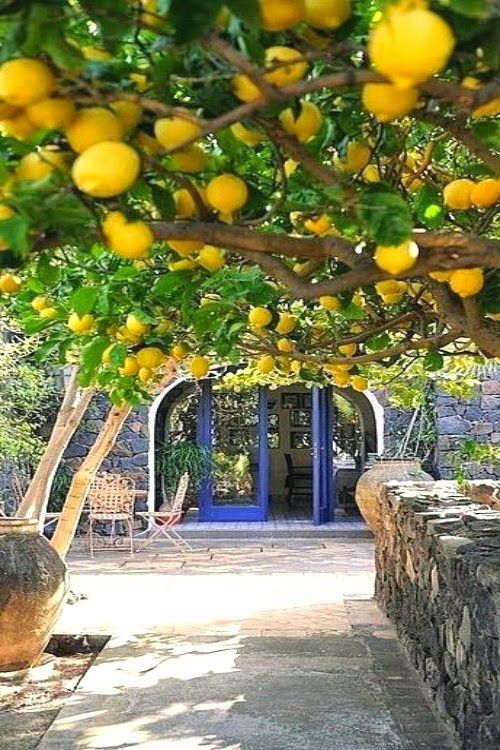
The Amalfi Coast is 50 kilometres of the most dramatic coastal road in Europe — sheer cliffs plunging into turquoise water, pastel-coloured villages stacked impossibly on hillsides, lemon groves perfuming the air, and food so good it might be the best reason to visit Italy. It's deservedly famous, which means summer can be overwhelming. The secret is timing and knowing which towns to choose. Go in May or September, base yourself wisely, and it delivers completely.
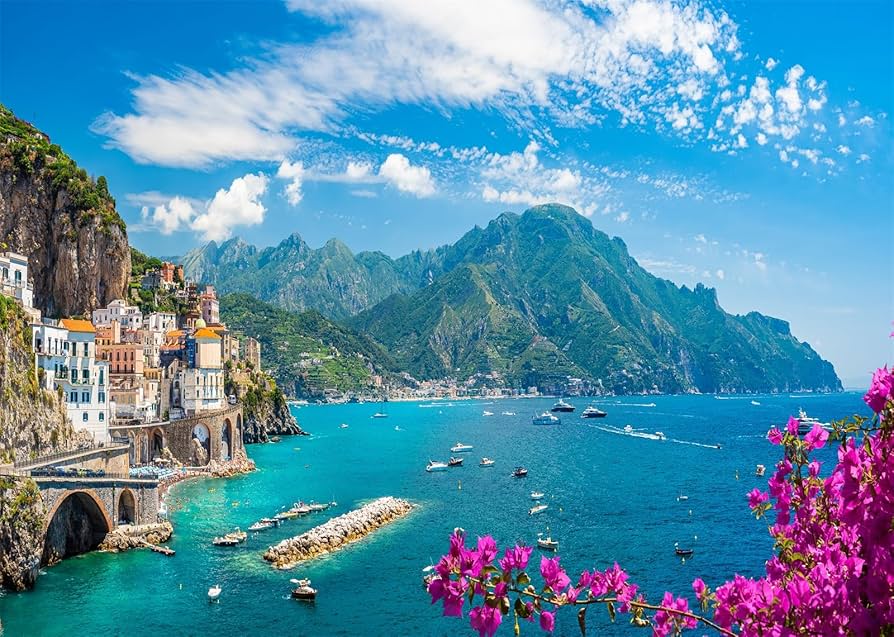
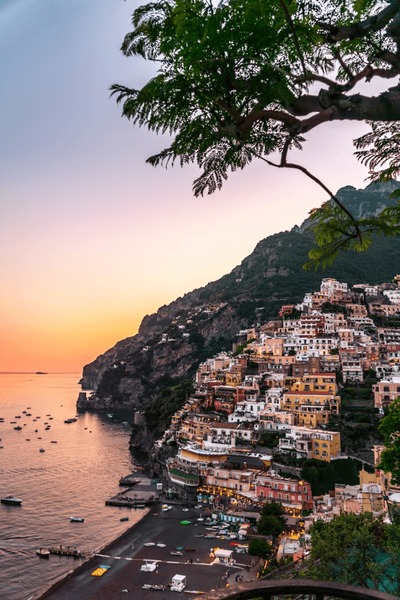
Clifftop restaurants, boat trips to sea caves, and sunsets over the Tyrrhenian Sea — the Amalfi Coast is Italian romance at its most concentrated.
Some of Italy's best seafood, the home of limoncello, fresh pasta in hilltop trattorias and the original pizza just 45 minutes away in Naples.
Every corner is a postcard — fishing villages stacked on cliffs, bougainvillea-draped staircases, and the sea in seventeen shades of blue.
Six distinct areas — each with a different character, price point and experience.
The most photographed village on the coast — colourful houses cascading down the cliff to a small beach. Staying here gives the full Amalfi Coast experience. Hotels are expensive (£150/night minimum in season) but the village is beautiful at night once day-trippers leave. Le Sirenuse is the benchmark.
The historical maritime republic at the centre of the coast — ferry connections to Positano and Salerno, a proper cathedral piazza, and the widest range of hotels at every price. The most practical base for exploring both directions along the coast.
300m above the sea — cooler, quieter and more refined than the coast below. Villa Rufolo and Villa Cimbrone have the most extraordinary gardens in Italy. The Belmond Hotel Caruso commands the best view. A bus connects to Amalfi town in 30 minutes.
Midway between Positano and Amalfi — a real town used by real Italians, with better hotel value than either end. The Africana Famous Club (a famous boat club in a sea cave) is here. The La Praia beach is much less crowded than Positano.
The most authentic town on the coast — a working fishing village famous for its colatura di alici (anchovy sauce, the Roman ancestor of fish sauce). Excellent small hotels and restaurants. The beach is real sand. Far fewer tourists than anywhere else.
The main transport hub at the northern end — direct train to Naples and Pompeii (Circumvesuviana), ferries across the bay to Capri and Amalfi. More affordable than the coast itself and genuinely pleasant. The centre is beautiful at night.
The SITA bus along the SS163 coast road is the cheapest way to move between towns (£1.50/journey) but runs jammed full in summer — leave before 8am or after 7pm to have a seat
Capri day trips from Amalfi or Positano take 30–50 minutes by ferry — go on a Tuesday or Wednesday when cruise ships aren't in port and the island is dramatically more peaceful
Limoncello quality varies enormously — the authentic producers (Limoncello di Capri, Limonoro in Sorrento) use Sfusato amalfitano lemons. The cheap bottles in tourist shops use imported lemons and taste completely different
Parking a car anywhere on the Amalfi Coast in July–August is essentially impossible — if you want to self-drive, do it in May, June or September. In peak season, base in one town and use ferries and buses
The Path of the Gods (Sentiero degli Dei) hike from Bomerano to Nocelle above Positano is one of the finest coastal walks in Europe and costs nothing — do it at 7am before the heat and tour groups
Tell us your dates, budget and travel style — we'll handle every detail.
Curated activities worth booking in advance — via GetYourGuide. We only recommend things worth your time and money.
The only way to see the coast as it should be seen — from the water. Half-day is enough.
Two hours north of Amalfi — don't visit without a guide, the context transforms the experience.
The finest coastal hike in Italy — Bomerano to Nocelle with views over Positano and the Tyrrhenian.
Affiliate link — we earn a small commission if you book. Same price for you either way. Disclosure →
From £12/day — SE Asia, South America, Europe, Africa and beyond.