← All Destinations
🌺
Bali
Bali
Indonesia
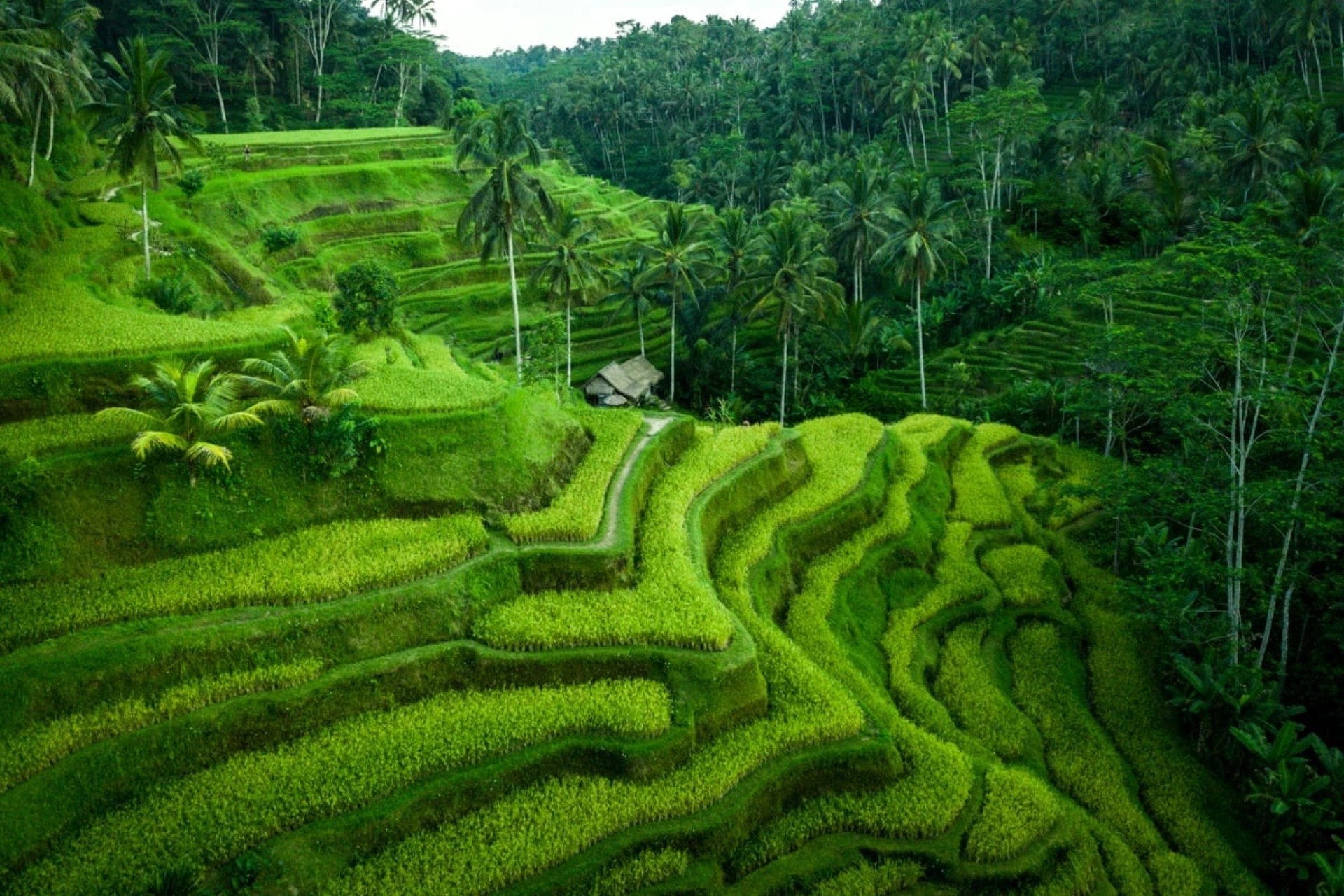
Rice terraces, sacred temples, surf breaks, and a spiritual pull that keeps people returning.
We use cookies to enhance your journey. Privacy Policy
Rice terraces, sacred temples, surf breaks, and a spiritual pull that keeps people returning.
Bali is one of those rare places that manages to be simultaneously overrun with tourists and still genuinely magical. The secret is understanding that there are effectively multiple Balis — Ubud in the forested interior is completely different from Seminyak's beach clubs, which is nothing like the surf breaks of Canggu, which bears no resemblance to the quiet temples of the east. The mistake is trying to do all of it. Pick your Bali and go deep.
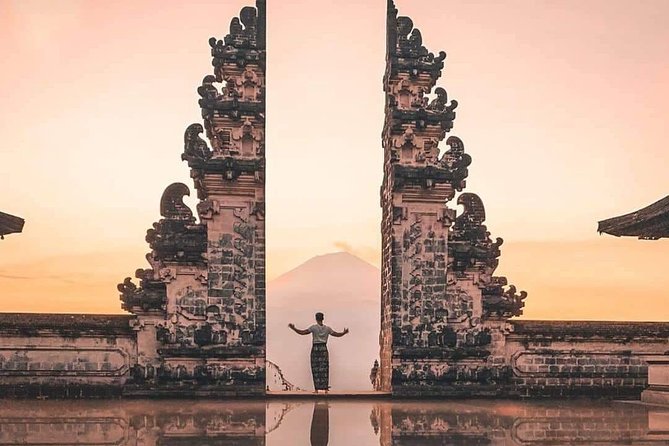
Ubud is the world capital of conscious travel — retreat centres, rice terrace walks, sound healing, and restaurants that take plant-based food seriously.
Uluwatu, Canggu and Medewi offer world-class waves for every level. Bali's surf culture is embedded and the camps are excellent.
Bali is the gentlest introduction to Southeast Asia — infrastructure is excellent, English is everywhere, and the culture shock is entirely positive.
Six distinct areas — each with a different character, price point and experience.
The artistic and spiritual heart of Bali — surrounded by rice terraces and jungle. Stay here for cooking classes, yoga, temple ceremonies and the famous Monkey Forest. Wide range from budget guesthouses (£15/night) to luxury jungle retreats. Central for day trips across the island.
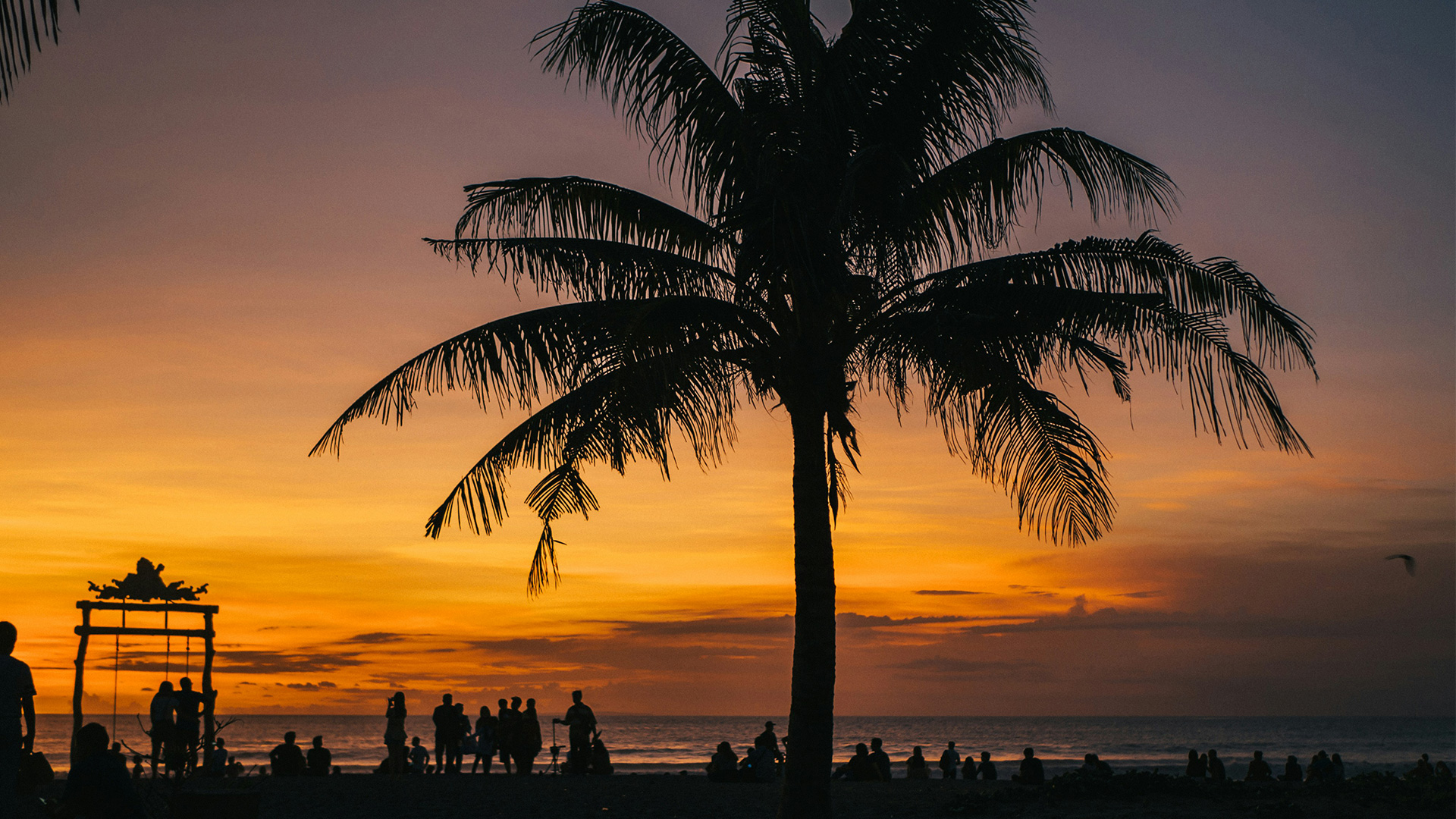
Bali's most sophisticated beach neighbourhood — designer boutiques, excellent restaurants and beach clubs (Ku De Ta, Potato Head). Better for adults than families. Walking distance to Kuta but feels a world apart. Mid-range to luxury hotels dominate.
The neighbourhood that has replaced Kuta as the backpacker favourite — rice paddies, surf breaks and excellent cafés. Brunch culture, co-working spaces and a genuinely international long-stay community. Budget to mid-range. Echo Beach is the main surf spot.
The limestone peninsula at Bali's southern tip — luxury resorts perched on cliffs above surf breaks. Single Fin bar at sunset is a Bali classic. More isolated but the scenery is extraordinary. Bingin and Padang Padang beaches below the cliffs.
The quieter, more local beach town on the east coast — calm lagoon swimming, a proper beach promenade, and a more Balinese feel than the south. Better for families and those wanting to avoid the party scene. Easy ferry access to the Gili Islands.
The far east coast — black sand beaches, the best shore diving on the island (Japanese WWII shipwreck accessible from the beach), and a slow pace far from the tourist circuit. Budget friendly. Base for Mount Agung sunrise hikes.
The Bali belly risk is highest at buffets and food left sitting in heat — warungs (family kitchens) with fast turnover are actually safer than they look
Traffic between Ubud and the south coast can be 3+ hours in peak season — plan directions of travel to avoid this, not through it
Gojek and Grab apps are banned by local taxi unions in some areas — in Ubud you must use official drivers or walk to the edge of the central area to be picked up
Temple dress (sarong and sash) is required at every temple — the ones sold at the gate for 50,000 IDR are usually a scam; buy one from a market and carry it with you
Nyepi (Balinese New Year, usually March) means complete silence for 24 hours — no flights in or out, no cars, no lights. Either stay inside or leave before it starts
Tell us your dates, budget and travel style — we'll handle every detail.
Curated activities worth booking in advance — via GetYourGuide. We only recommend things worth your time and money.
Guided walks through Tegallalang and the Pura Tirta Empul holy spring — the definitive Bali day out.
Pre-dawn hike to the active volcano rim for sunrise over the caldera. One of Southeast Asia's great early mornings.
Learn to make rendang, satay and sambal from scratch — usually includes a morning market visit.
Affiliate link — we earn a small commission if you book. Same price for you either way. Disclosure →
From £12/day — SE Asia, South America, Europe, Africa and beyond.