← All Destinations
🏯
Tokyo
Tokyo
Japan
Ancient shrines beside neon skyscrapers — the most extraordinary, layered city on earth.
We use cookies to enhance your journey. Privacy Policy
Ancient shrines beside neon skyscrapers — the most extraordinary, layered city on earth.
Tokyo is the most complete city on earth. It does everything better than everywhere else — food, transport, design, cleanliness, shopping, nightlife, tradition — and somehow manages to do it all simultaneously within walking distance of each other. It's not cheap, but it delivers extraordinary value at every price point. One week is not enough. Two weeks feels about right. Most people leave wanting more.
Tokyo has more Michelin stars than any city on earth and also the world's best convenience store food. Ramen, sushi, yakitori, izakaya — eating in Tokyo is one of life's great experiences.
Akihabara's electronics and anime district, Harajuku fashion, teamLab digital art installations, and the most creative retail environment on earth make Tokyo unmissable for culture followers.
Ancient temples between skyscrapers, the Imperial Palace, Meiji Shrine, and the extraordinary contrast of Tokyo's architectural layers make it one of the world's most visually complex cities.
Six distinct areas — each with a different character, price point and experience.
Tokyo's main transport hub and the city that never sleeps — the Golden Gai bar district (200 tiny bars, each fitting 8 people), Kabukicho entertainment district, and excellent ramen on every corner. Hotels at every price point. The most convenient base for day trips across the region.
The temple district — Senso-ji temple, the Nakamise shopping street, rickshaw rides and traditional craft shops. The most 'old Tokyo' neighbourhood remaining. Hotels range from budget to mid-range. The Sumida River is a 5-minute walk for the best Tokyo Skytree views.
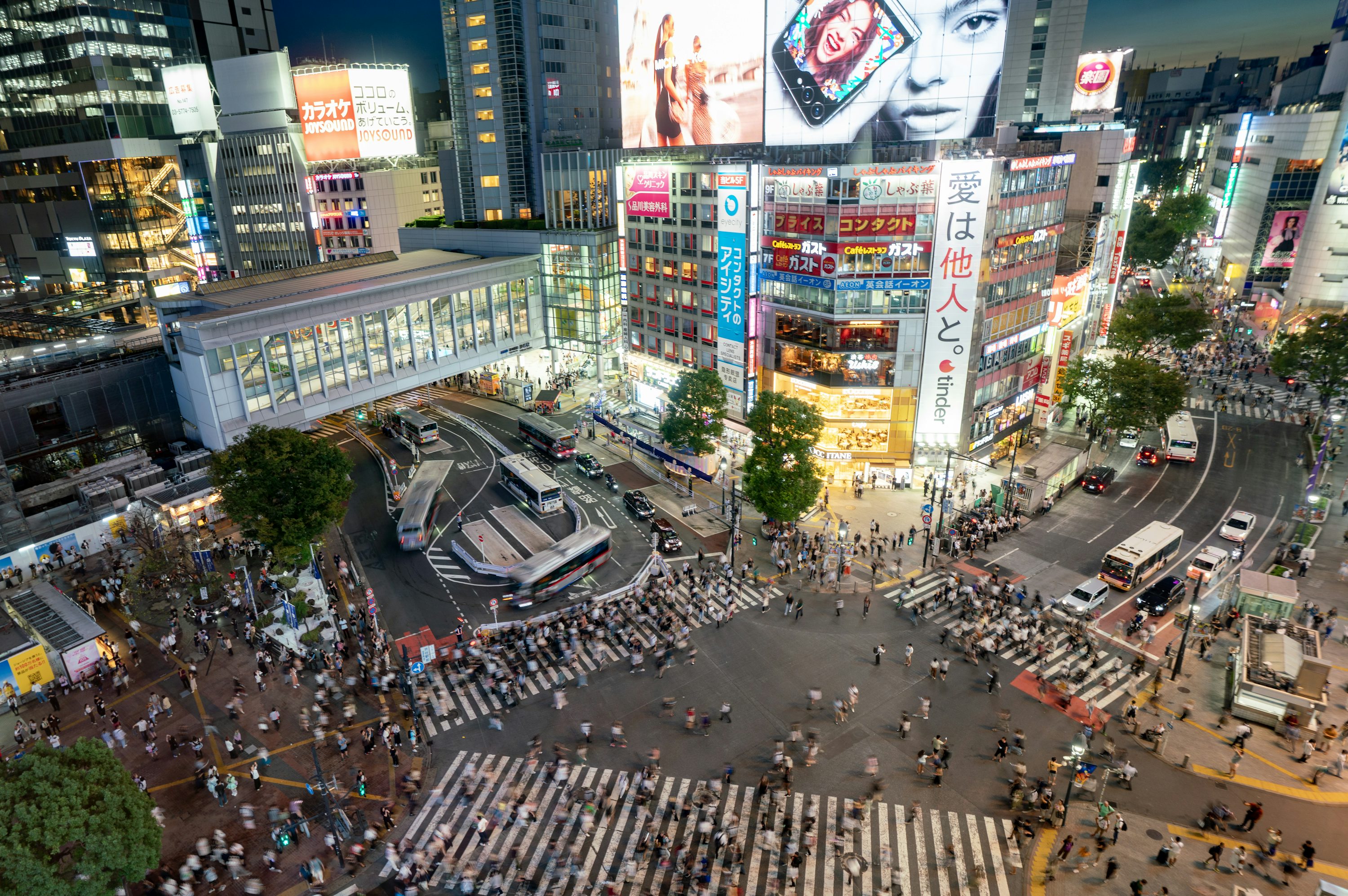
The Shibuya Crossing, Takeshita Street fashion scene and Yoyogi Park (free concerts on Sundays). Mid-range to upmarket hotels. Well connected by the Yamanote Line. Good for first-timers who want the iconic Tokyo imagery.
Tokyo's most upmarket shopping and dining district — the Tsukiji Outer Market (still active for breakfast sushi even after the wholesale market moved to Toyosu), luxury flagship stores, and the best coffee in the city. Business hotels dominate but well located.
Electronics, manga and anime culture alongside the Tokyo National Museum and Ueno Park — the most diverse neighbourhood in terms of what's happening. Budget to mid-range hotels, well connected.
The neighbourhood that survived World War II bombing — narrow shopping streets, a historic cemetery, shitamachi (old town) atmosphere and independent artisan shops. No major hotels but excellent guesthouses and ryokan (traditional inns). A short walk from Nippori station.
The IC card (Suica or Pasmo) loaded via the Wallet app on iPhone before you arrive — Japan now accepts foreign Apple Pay IC cards, making the entire transport network frictionless without queuing at the machine
Tipping is not just unnecessary in Japan — in some contexts it can be considered mildly offensive. Exceptional service is simply expected and always delivered
Tokyo's convenience stores (7-Eleven, FamilyMart, Lawson) sell genuinely good food — the onigiri, sandwiches and hot foods are legitimately excellent and often better than tourist restaurants
JR Pass value depends on your itinerary — if you're only going Tokyo–Kyoto–Osaka it usually doesn't pay for itself. Use Hyperdia or Japan Transit Planner to calculate before buying
Last train times in Tokyo are around midnight — after that there are night buses but they're slow. Know your last train time or you're in a taxi (which are excellent but expensive)
Tell us your dates, budget and travel style — we'll handle every detail.
Curated activities worth booking in advance — via GetYourGuide. We only recommend things worth your time and money.
The most-visited contemporary art installation in the world — genuinely worth the hype, book months ahead.
Work through tuna sashimi, tamagoyaki and fresh oysters with a guide who knows exactly which stalls matter.
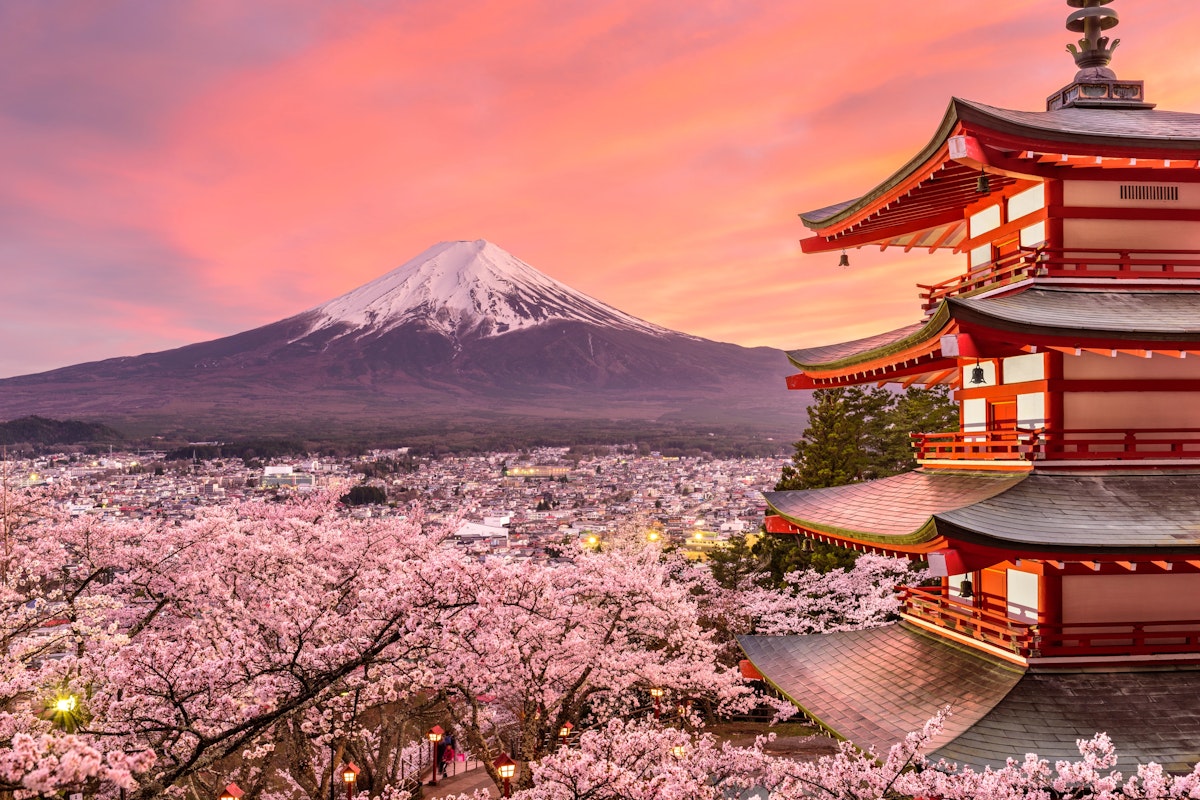
Most efficient way to see Fuji without hiring a car — lakeside views, the iconic Chureito Pagoda shot.
Affiliate link — we earn a small commission if you book. Same price for you either way. Disclosure →
From £12/day — SE Asia, South America, Europe, Africa and beyond.