← All Destinations
🐚
Zanzibar
Zanzibar
Tanzania
Spice-scented Stone Town, Indian Ocean beaches, and Swahili culture in perfect balance.
We use cookies to enhance your journey. Privacy Policy
Spice-scented Stone Town, Indian Ocean beaches, and Swahili culture in perfect balance.
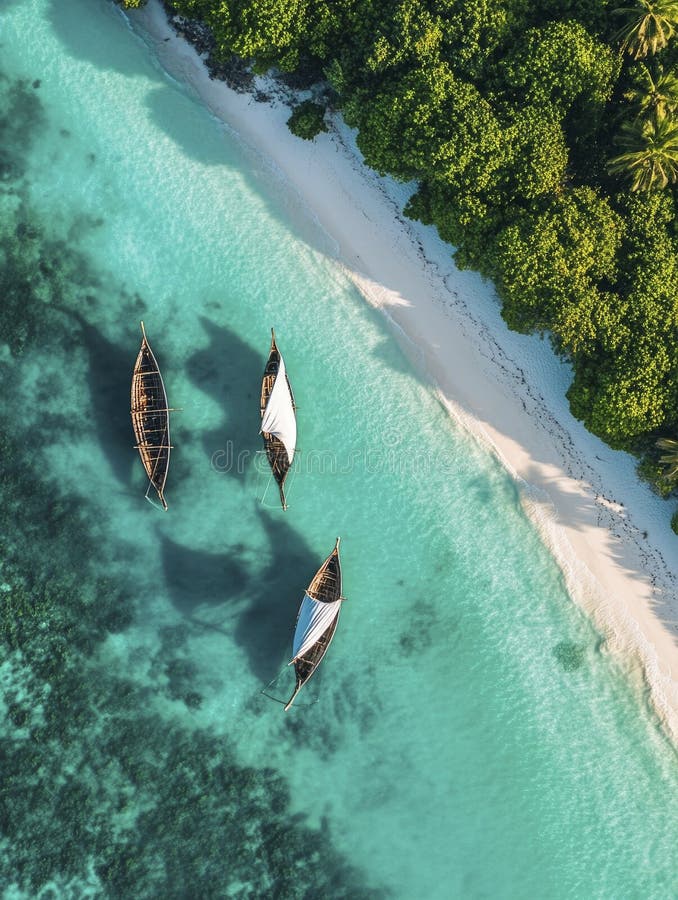
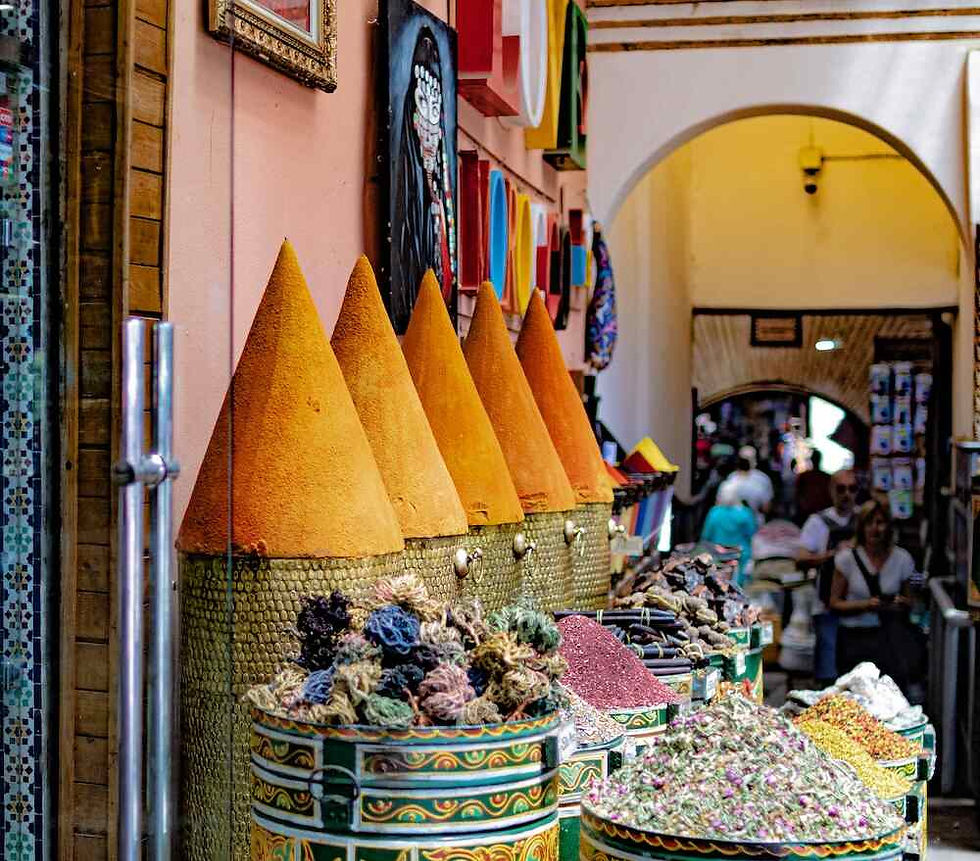
Zanzibar is the Indian Ocean distilled — white sand beaches, turquoise shallows, warm water, swaying palms, and a Stone Town that is one of the most historically rich and architecturally fascinating old cities in Africa. It's also a spice island with a food culture shaped by Arab, Indian, Persian and African influences simultaneously. It works as a beach holiday, a cultural trip, or a safari add-on from mainland Tanzania. Most people do all three.
The coral reefs around Zanzibar and the nearby Mnemba Atoll offer exceptional diving — whale sharks, sea turtles, dolphins and extraordinary coral gardens.
Nungwi and Kendwa in the north offer white sand beaches and calm turquoise water. Paje on the east coast is known for kitesurfing and a more relaxed atmosphere.
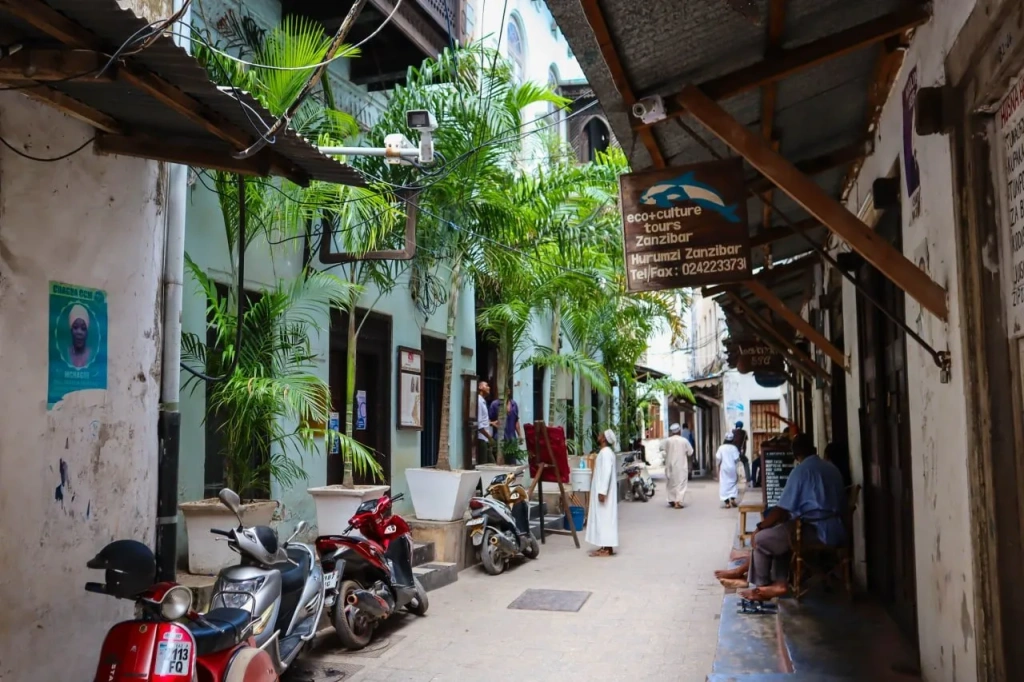
Stone Town is a UNESCO World Heritage Site — a maze of carved wooden doors, Arab architecture, Swahili culture, and the complex history of the Indian Ocean spice trade.
Six distinct areas — each with a different character, price point and experience.
The UNESCO old town — carved wooden doors, narrow alleyways, the old slave market and the Mercury House (Freddie Mercury was born here). A labyrinth you will get lost in, which is the point. Boutique hotels in restored Swahili mansions from £60/night. The Emerson Spice and Park Hyatt are the finest.
The best beach for swimming year-round (protected from the south-east trade winds that affect other coasts). A proper beach village with guesthouses from £25/night, beach bars and a strong diving scene. More lively than the east coast.
Next to Nungwi but without the fishing boats — a longer, quieter beach ideal for couples and those wanting calm. The Sunset Bar is the gathering point for every nationality. Mid-range beach bungalows.
The east coast village famous for kitesurfing (the best wind in East Africa June–October) and the best snorkelling off the coast. Affordable guesthouses from £20/night. More authentic than the north coast, longer walk to the water at low tide.
The east coast's most peaceful village — the jumping-off point for Mnemba Atoll (the finest diving in East Africa, with dolphins and sea turtles). Excellent small dive lodges. Bare Foot Eco Lodge is the benchmark for responsible tourism here.
The most authentic village on the east coast — a real fishing community where seaweed farming is the main livelihood. Small family guesthouses integrated into the village. The best place to experience daily Zanzibari life.
Stone Town's labyrinth streets mean even Google Maps is unreliable — download the maps.me app with the Zanzibar offline map before you arrive, it has the actual alleyways mapped
The east coast beaches have dramatic tidal variation — at low tide the sea retreats 500m and swimming is impossible. Check the tide table at your guesthouse and plan morning activities around high tide
Spice tours are worth doing once but almost identical between operators — ask specifically for a tour that visits a working farm rather than a tourist spice garden with labelled plants
Zanzibar's pizza (actually a stuffed flatbread cooked on a hotplate) at Forodhani Gardens is the best street food on the island — eat here every evening it's open and work through the menu
Dolphins at Kizimkazi in the south can be seen year-round — go with Zan Tours or Eco & Culture Tours rather than the touts at the beach, who chase the animals with multiple boats
Tell us your dates, budget and travel style — we'll handle every detail.
Curated activities worth booking in advance — via GetYourGuide. We only recommend things worth your time and money.
The slave market, the Freddie Mercury house, the spice markets and the old Arab fort — 90 minutes well spent.
The spice island tour everyone does for a reason — vanilla, cloves, nutmeg and black pepper growing in the same garden.
Spinner and bottlenose dolphins in the lagoon at dawn — swim with them if the boat captain knows what they're doing.
Affiliate link — we earn a small commission if you book. Same price for you either way. Disclosure →
From £12/day — SE Asia, South America, Europe, Africa and beyond.