← All Destinations
⛵
Croatia
Adriatic island-hopping, ancient walled cities, and some of Europe's clearest water.
We use cookies to enhance your journey. Privacy Policy
Adriatic island-hopping, ancient walled cities, and some of Europe's clearest water.
Croatia's Adriatic coast is the Mediterranean at its most dramatic — a thousand islands, crystal-clear water so transparent that boats appear to float in mid-air, medieval walled cities, and national parks with waterfalls and lakes. It's become very popular (peak summer is genuinely overwhelming in Dubrovnik and Hvar) but it remains beautiful and rewarding if you time and choose your bases carefully. May, June, and September are close to perfect.
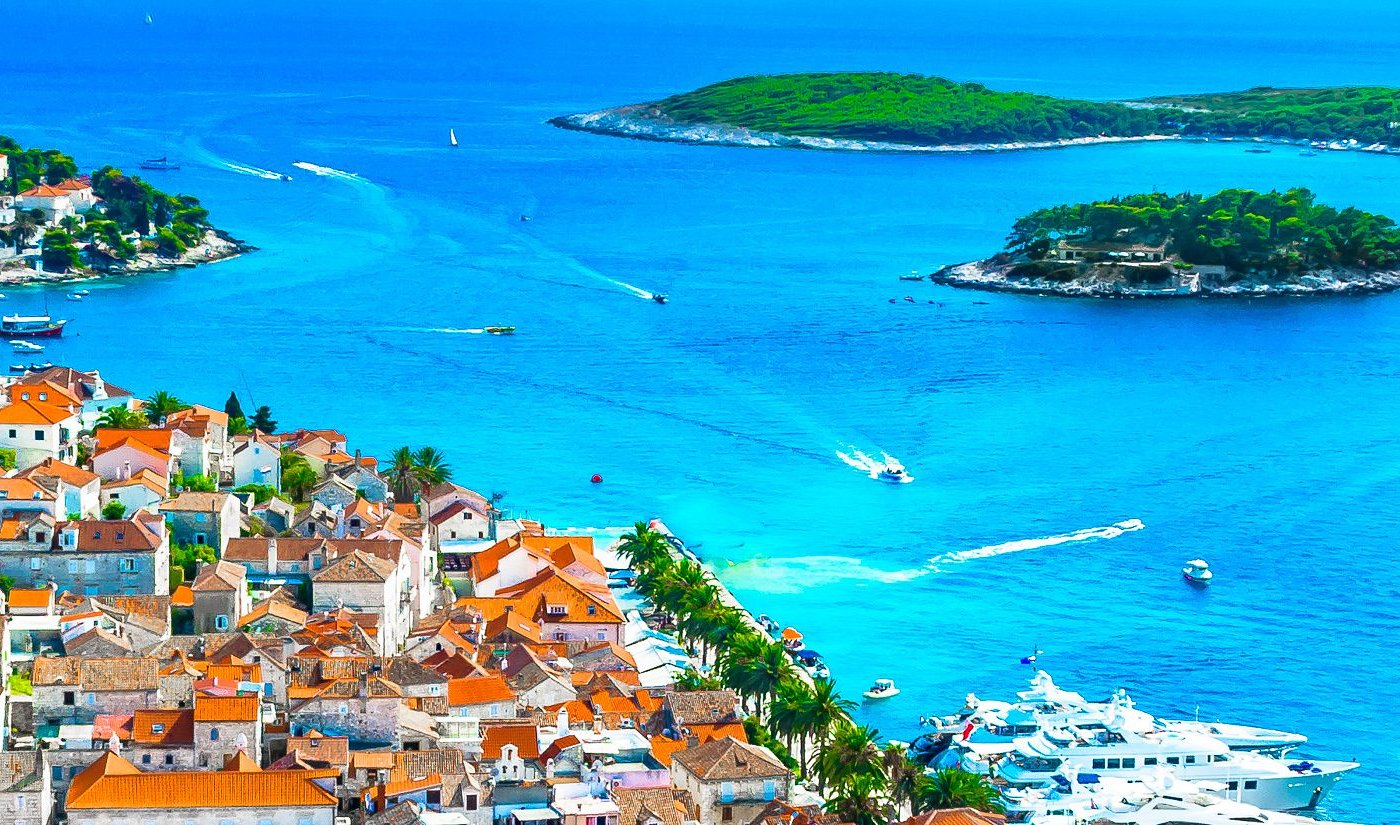
Croatia's 1,000+ islands are best explored by ferry or sailboat — Split, Hvar, Vis, Brač and Korčula each offer a completely different character.
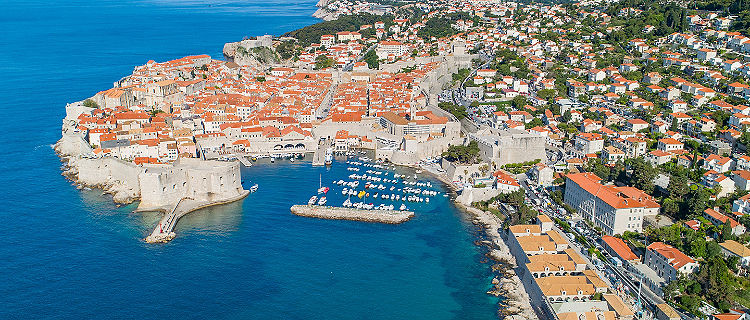
Dubrovnik's walled old city, Diocletian's Palace in Split (still a living neighbourhood), and Roman ruins scattered across the coast make Croatia one of Europe's great history destinations.
Fresh Adriatic seafood, local peka slow-cooked under the bell, Plavac Mali wine from Hvar, and peka lamb that will ruin all other lamb for you.
Six distinct areas — each with a different character, price point and experience.
The most glamorous island in Croatia — moored superyachts, rooftop bars, excellent restaurants and a beautiful old town. Hotels from mid-range to very expensive. Busy July–August, magical in May and September. Book accommodation months ahead for summer.
Staying inside the walls is expensive (£120/night minimum) but the experience of waking up before the cruise ships arrive is extraordinary. Outside the walls in Lapad is much cheaper with regular buses in.
The best base for island hopping — Split's Diocletian's Palace (people live inside a 1,700-year-old Roman emperor's palace) is unmissable. Ferry connections to Hvar, Brač and Vis. Wide range of accommodation, more affordable than Dubrovnik.
The furthest inhabited island from the mainland was a Yugoslav military base until 1989 — only opened to foreigners then. Authentic fishing villages, excellent wine (Vugava white grape), no mass tourism and genuinely beautiful. Komiza and Vis Town are the two bases.
A miniature Dubrovnik on an island — medieval walled town on a peninsula, said to be Marco Polo's birthplace. Quieter and more affordable than Dubrovnik and Hvar. Good for families. Pošip white wine produced here is Croatia's finest.
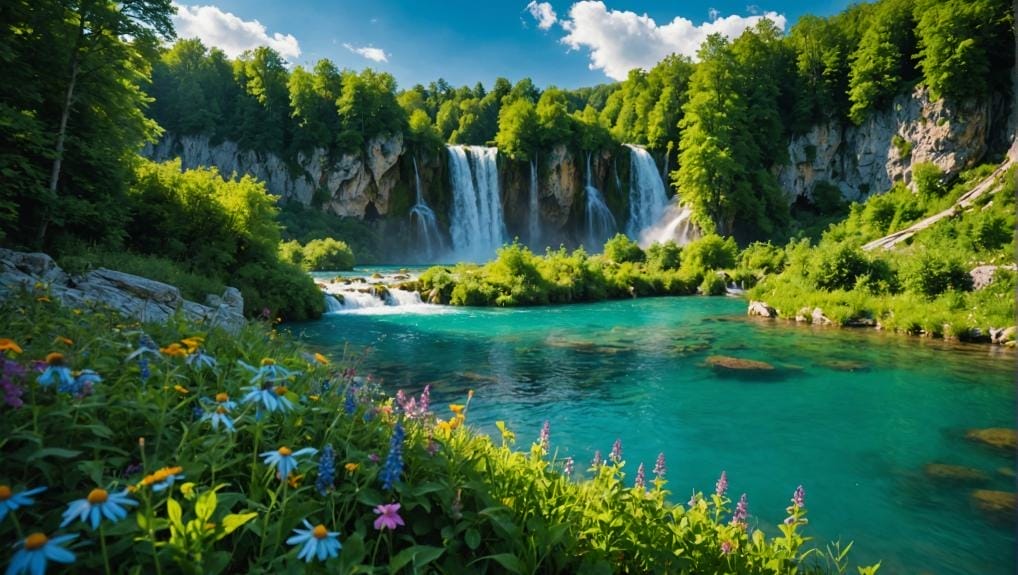
Most visitors day-trip from Zagreb or the coast — staying in the village of Rastovača or Mukinje immediately adjacent means you're in the park before the gates open. Guesthouses from £40/night. Completely different experience from the day-trip crowds.
Dubrovnik's Game of Thrones locations are on every tour brochure — the Lokrum Island boat (30 min) gets you away from the crowds and into a nature reserve for £5
The Jadrolinija ferry app lets you book car ferries in advance — without it you queue for hours in summer and may miss your boat
Croatian tap water is excellent quality everywhere on the mainland and most islands — there is no need to buy bottled water
Island restaurants in July–August run on island time — kitchens stop serving at 10pm and often earlier; book ahead or eat by 8:30pm
The national park entry fees are highest booked on the door — Plitvice Lakes, Krka and Kornati all offer online discounts of 20–30%
Tell us your dates, budget and travel style — we'll handle every detail.
Curated activities worth booking in advance — via GetYourGuide. We only recommend things worth your time and money.
The walls make more sense with a guide explaining the siege, the history and the Game of Thrones filming locations.
Three islands, one boat, swimming stops and local konoba lunch — the best day trip from Dubrovnik.
Croatia's most spectacular natural sight — the wooden walkways over the cascading turquoise lakes are extraordinary.
Affiliate link — we earn a small commission if you book. Same price for you either way. Disclosure →
From £12/day — SE Asia, South America, Europe, Africa and beyond.