← All Destinations
🌿
Ecuador
Galápagos wildlife, Amazon jungle, Andean volcanoes, and colonial Quito — four worlds in one country.
We use cookies to enhance your journey. Privacy Policy
Galápagos wildlife, Amazon jungle, Andean volcanoes, and colonial Quito — four worlds in one country.
Ecuador is the best-value country in South America for natural diversity — it contains four distinct worlds (the Galápagos Islands, the Amazon, the Andes highlands, and the Pacific coast) within the smallest Andean country. The Galápagos is the headliner, but mainland Ecuador more than holds its own: Quito is one of the finest colonial cities in Latin America, the Quilotoa crater lake is extraordinary, and the Amazon lodges in the Napo region are world-class.
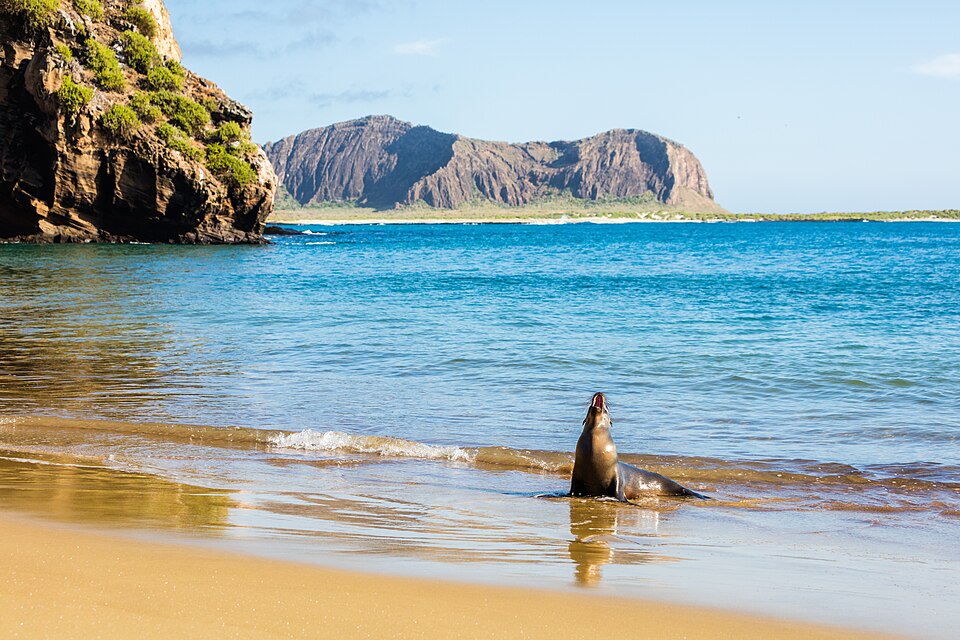
The Galápagos Islands offer the most extraordinary wildlife encounters on earth — animals that have never learned to fear humans. Marine iguanas, blue-footed boobies, giant tortoises.
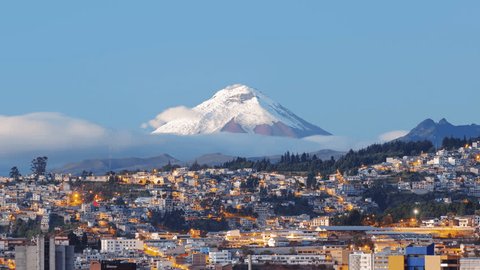
The Avenue of Volcanoes offers hut-to-hut trekking past Cotopaxi and Chimborazo — two of the world's highest accessible volcanoes. The cloud forest trails are extraordinary.
The Galápagos underwater world is incomparable — hammerhead sharks, whale sharks, sea lions, manta rays and Galapagos penguins all in one dive.
Six distinct areas — each with a different character, price point and experience.
The finest colonial old town in South America (UNESCO) — churches and plazas built from Andean stone at 2,850m altitude. Budget to mid-range accommodation throughout. Ideal for acclimatisation before heading higher. Stay in the La Floresta or Mariscal Sucre districts for the best balance of safety and location.
A small town in the cloud forest 2 hours from Quito — bird watching (600+ species including toucans and hummingbirds), butterfly farms, zip-lining and white-water tubing. Comfortable lodges from £40/night including breakfast.
A town in a valley below the active Tungurahua volcano — the adventure hub of Ecuador with rafting, canyoning, mountain biking and the famous Road of Waterfalls. Budget friendly. Nightly sound and light from the volcano is extraordinary.
The main town on Santa Cruz island — the base for most Galápagos day tours and live-aboards. Hotel quality has improved significantly. Book accommodation before flights; everything sells out in high season (June–August, Dec–Jan).
A tiny indigenous village on the rim of the Quilotoa crater lake — guesthouses from £10/night with extraordinary views across the crater. The base for the Quilotoa Loop trek. Cold at night (3,900m) — bring warm layers.
Ecuador's surf and backpacker beach town on the Pacific coast — a complete contrast to the highlands. Hammocks, surf lessons, fresh ceviche and a lively evening social scene. Budget friendly.
Ecuador's dollarised economy means prices are fixed and clear — there's no currency exchange stress, but also no room to negotiate the way you can in neighbouring countries
The Galápagos National Park fee (currently $200) is collected separately from your flight and must be paid in cash on arrival — bring dollars
Altitude sickness (soroche) hits fast in Quito — the first day should be genuinely slow. Diamox (acetazolamide) from a pharmacy before travel helps significantly
Ecuadorian buses are punctual by South American standards — the main terminal (Quitumbe in Quito) is well-organised and buses to most destinations leave every 20–30 minutes
The Otavalo indigenous market (2 hours from Quito, Saturday) is the finest craft market on the continent — get there before 8am to see local traders, not just tourist stalls
Tell us your dates, budget and travel style — we'll handle every detail.
Curated activities worth booking in advance — via GetYourGuide. We only recommend things worth your time and money.
Marine iguanas, blue-footed boobies and giant tortoises on islands that changed how we understand life on earth.
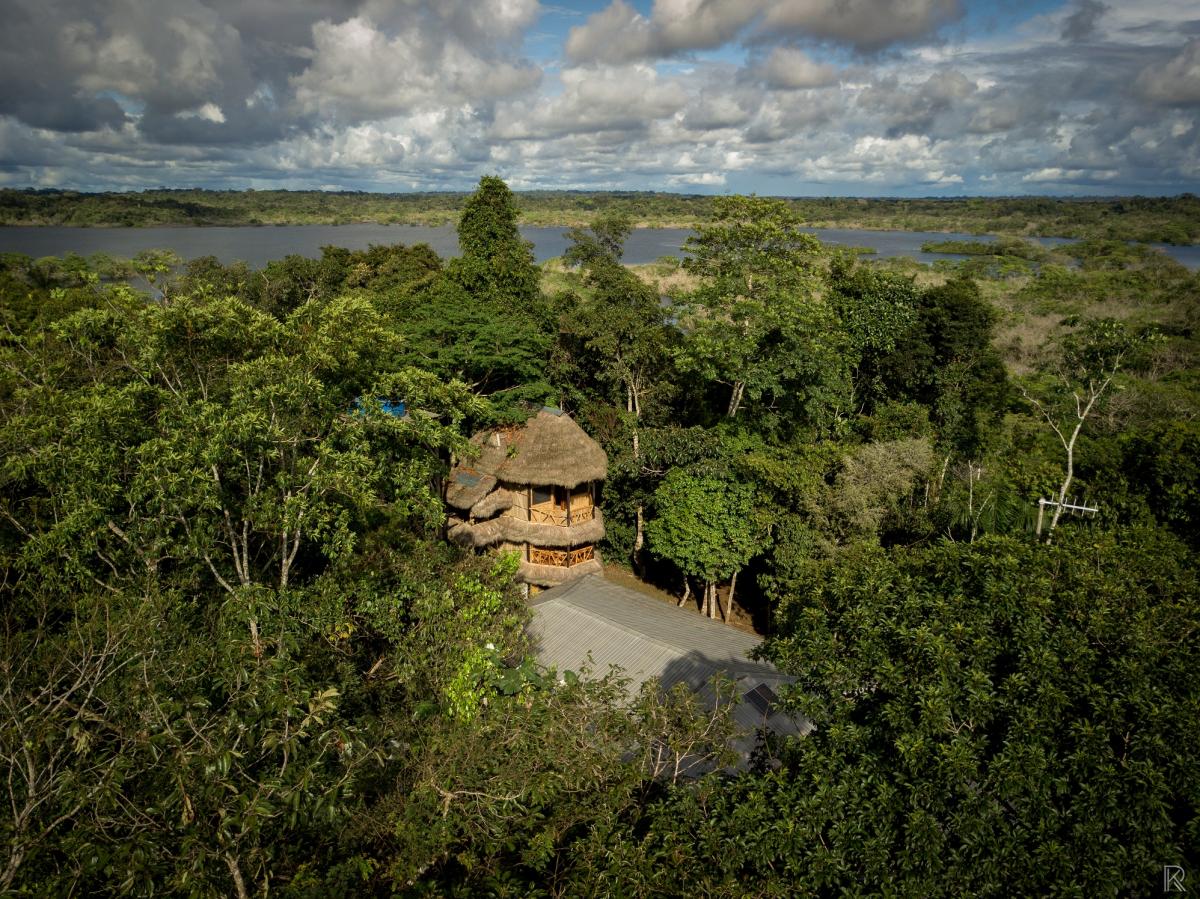
Cuyabeno or Yasuni — two or three nights in a floating lodge with a naturalist guide.
The turquoise volcanic lake and the ridge walk between indigenous villages — Ecuador's best day hike.
Affiliate link — we earn a small commission if you book. Same price for you either way. Disclosure →
From £12/day — SE Asia, South America, Europe, Africa and beyond.