
← All Destinations
🎭
Portugal
Melancholy fado, pastel tiles, Atlantic seafood, and the best value country in Western Europe.
We use cookies to enhance your journey. Privacy Policy
Melancholy fado, pastel tiles, Atlantic seafood, and the best value country in Western Europe.
Portugal punches above its weight in almost every category — food, wine, architecture, coastline, warmth, and value for money. It's western Europe's most accessible and affordable destination, with a culture that feels genuinely distinctive. Lisbon is one of the world's great walking cities. Porto is arguably even better. The Alentejo wine region, the medieval villages of central Portugal, and the Algarve cliffs are all world-class. It's small enough to see a lot in two weeks.
Petiscos (Portuguese tapas), barnacles, bacalhau, pastel de nata, and Alentejo wines — Portugal's food culture is seriously underrated and remarkably affordable.
The Atlantic coast around Peniche, Ericeira, and Sagres offers some of Europe's best and most consistent waves. Nazaré has the world's biggest rideable surf.
Lisbon and Porto are two of Europe's most characterful cities — both compact enough to explore on foot in a long weekend, both with world-class food and nightlife scenes.
Six distinct areas — each with a different character, price point and experience.
The oldest neighbourhood in Lisbon — narrow alleys, tiled facades and the best fado houses in the country. Guesthouses and small boutique hotels built into the hillside. Noisy near the Miradouro de Santa Luzia at night but quiet away from the viewpoints.
The most refined neighbourhood in Lisbon — antique shops, the best restaurant street (Rua Dom Pedro V), a beautiful garden square and excellent boutique hotels. Walking distance to the Bairro Alto nightlife without being in it.
40 minutes by train from Lisbon — a proper Portuguese coastal town that hasn't been entirely taken over by tourists. Good hotels at lower prices than central Lisbon, easy train commute in.
The UNESCO waterfront district of Porto — guesthouses right on the Douro, views across to the port wine lodges, and the extraordinary tile facades of São Bento station a short walk away. Noisy at night on the main strip; quieter streets one block back.
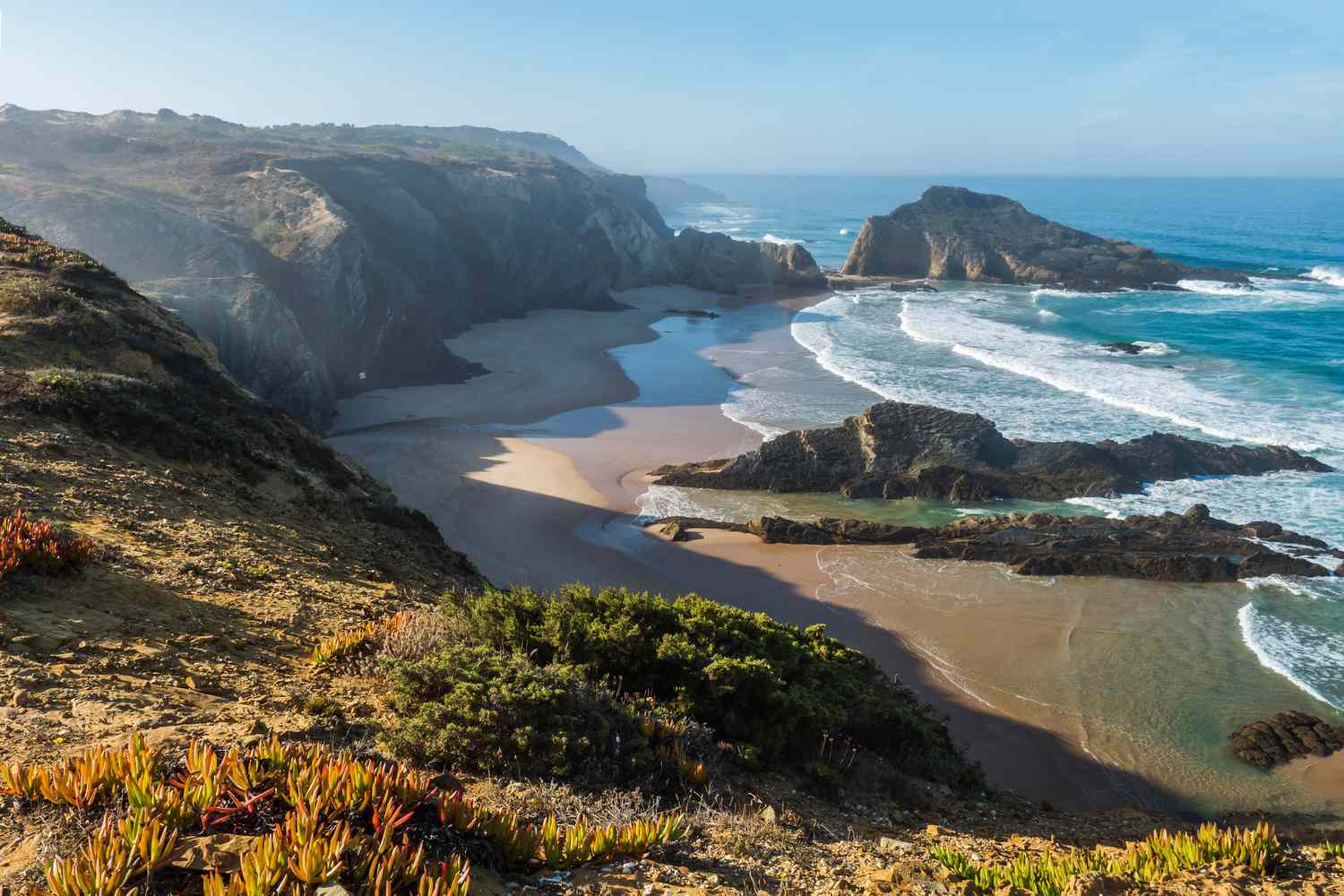
The secret Portuguese beach that hasn't been a secret for some years but remains dramatically less developed than the Algarve — rice paddies, stork nests, cork forests and a long white beach. Boutique cottages and small hotels. A 2-hour drive from Lisbon.
A walled Roman city in the plains interior — a UNESCO old town with a Roman temple, a cathedral and the Chapel of Bones. Excellent wine estates nearby. Mid-range pousadas (historic converted buildings) are the best accommodation option.
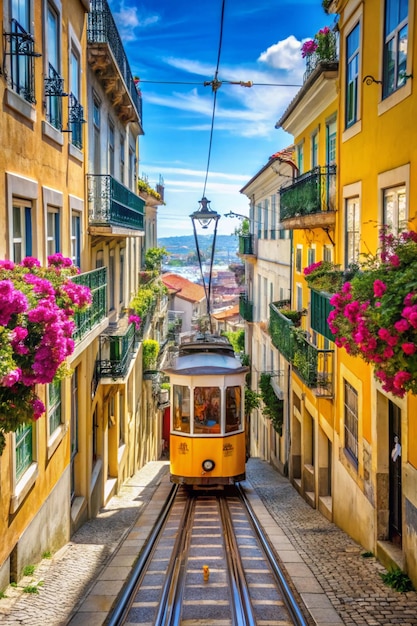
Lisbon's 28 tram is on every tourist itinerary — ride it early morning (before 8am) or accept the sardine experience. The 12E tram from Martim Moniz covers similar terrain with fewer people
Portuguese restaurants have a 'couvert' — bread, olives and appetisers placed automatically on the table. You are charged for what you eat. Send it back if you don't want it and it won't be charged
Porto's port wine lodges are free to walk around in most cases — the paid tour and tasting is worth doing once (Graham's or Ramos Pinto) but avoid the tourist-trap lodges on the main strip
The Lisboa Card (24/48/72 hours) covers all public transport including the airport Metro and entry to most national monuments — almost always worth buying on arrival
Pastel de nata at the source (Pastéis de Belém in Lisbon, open since 1837) has a 20-minute queue — go at 9am on a weekday or accept it and enjoy the interior, which is worth seeing anyway
Tell us your dates, budget and travel style — we'll handle every detail.
Curated activities worth booking in advance — via GetYourGuide. We only recommend things worth your time and money.
Pena Palace, Moorish Castle and Quinta da Regaleira in one day — impossible to overdo Sintra.
Portugal's extraordinary melancholy music tradition performed in the Alfama neighbourhood — genuinely moving.
A full day on the river visiting port quintas — the valley is UNESCO listed and the wine is exceptional.
Affiliate link — we earn a small commission if you book. Same price for you either way. Disclosure →
From £12/day — SE Asia, South America, Europe, Africa and beyond.